Seed Saving
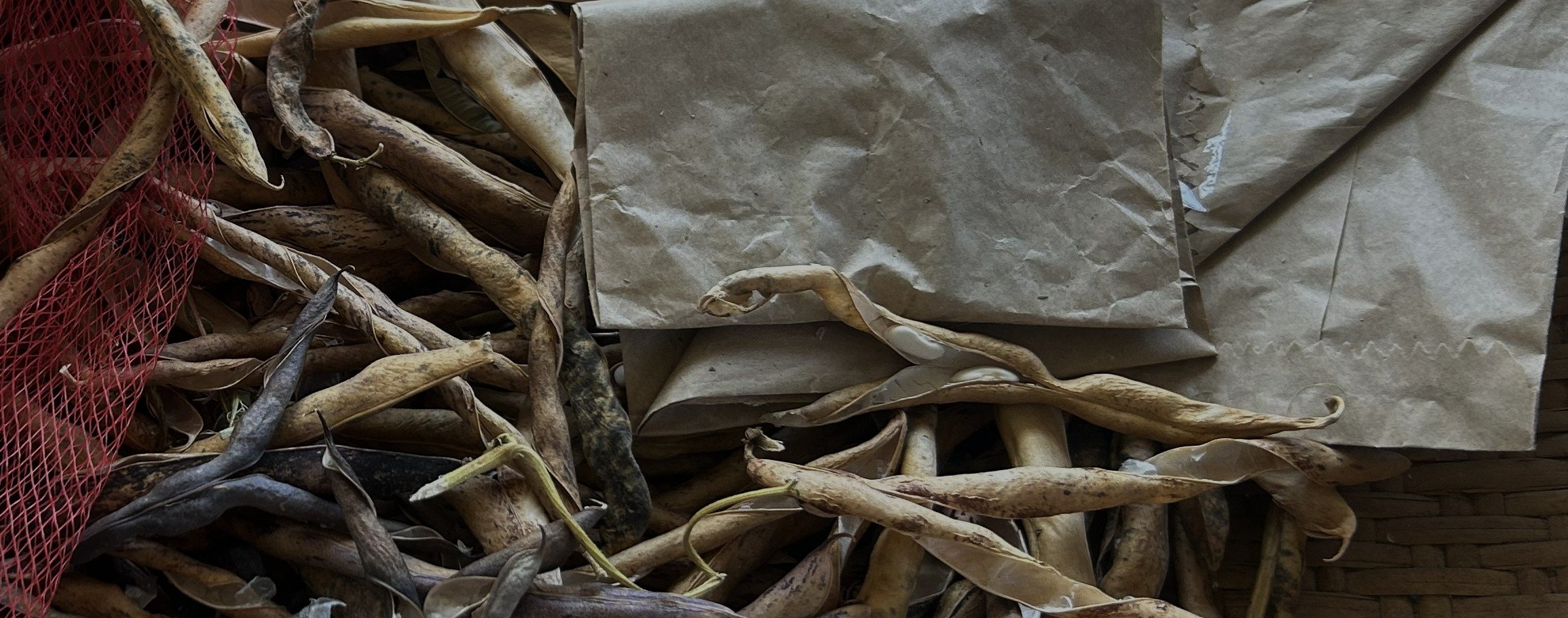
The gardener who saves seeds from this year’s crop to plant in next year’s garden and share with other gardeners has, in addition to the assurance that he or she is prepared for the future, the prospect of experiment, discovery, even surprise.
Bubel, Nancy; Nick, Jean. The New Seed-Starters Handbook
Our Approach
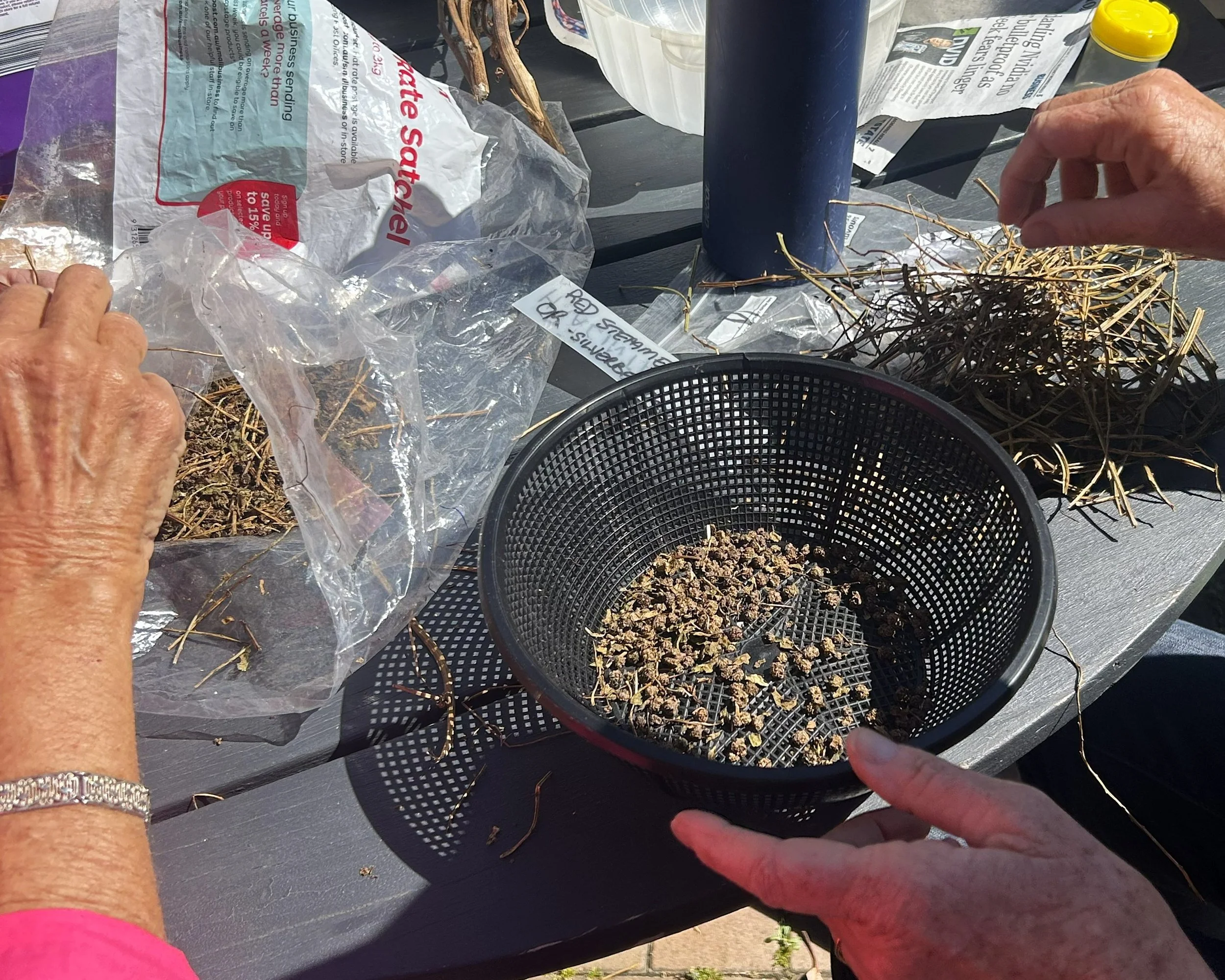
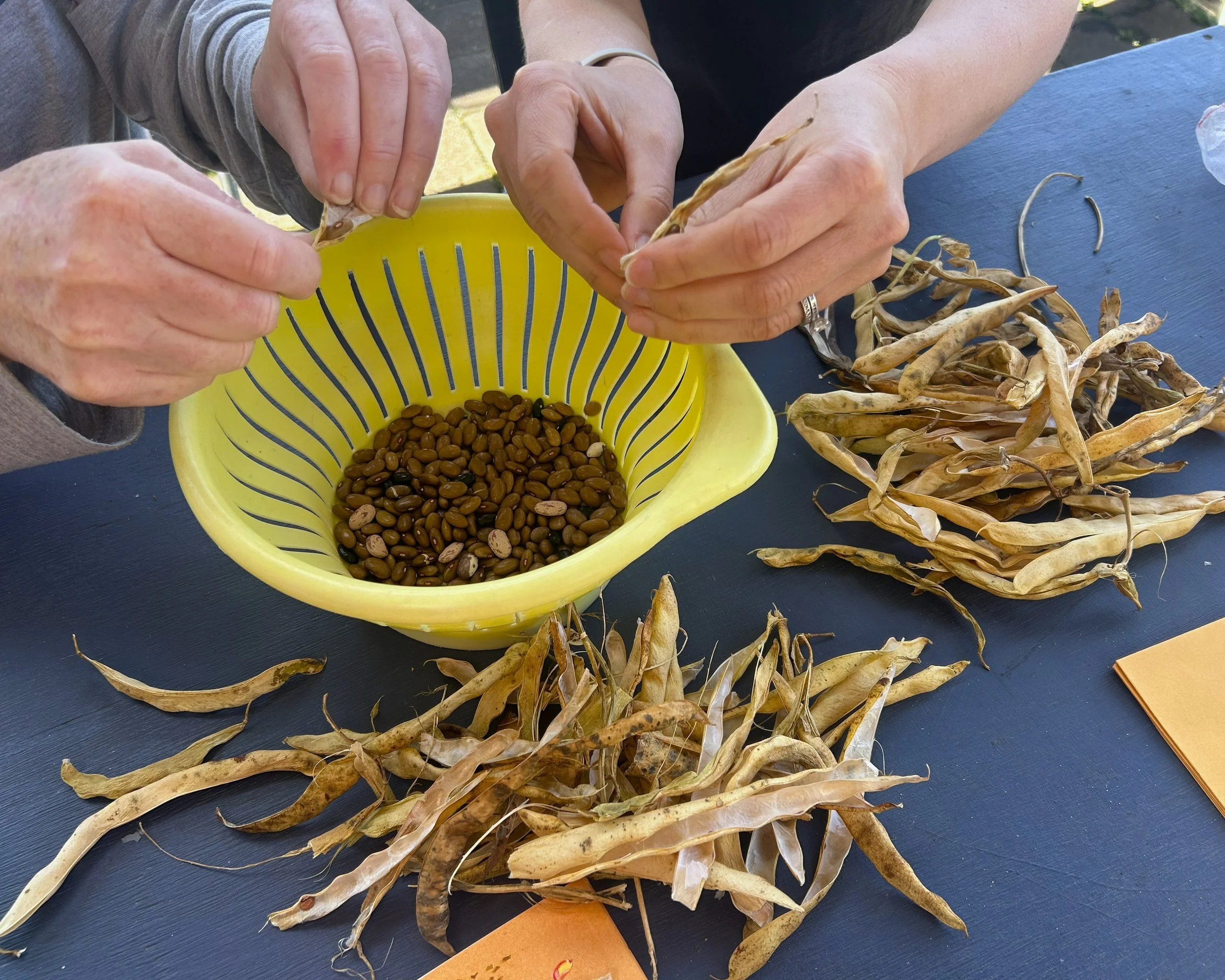
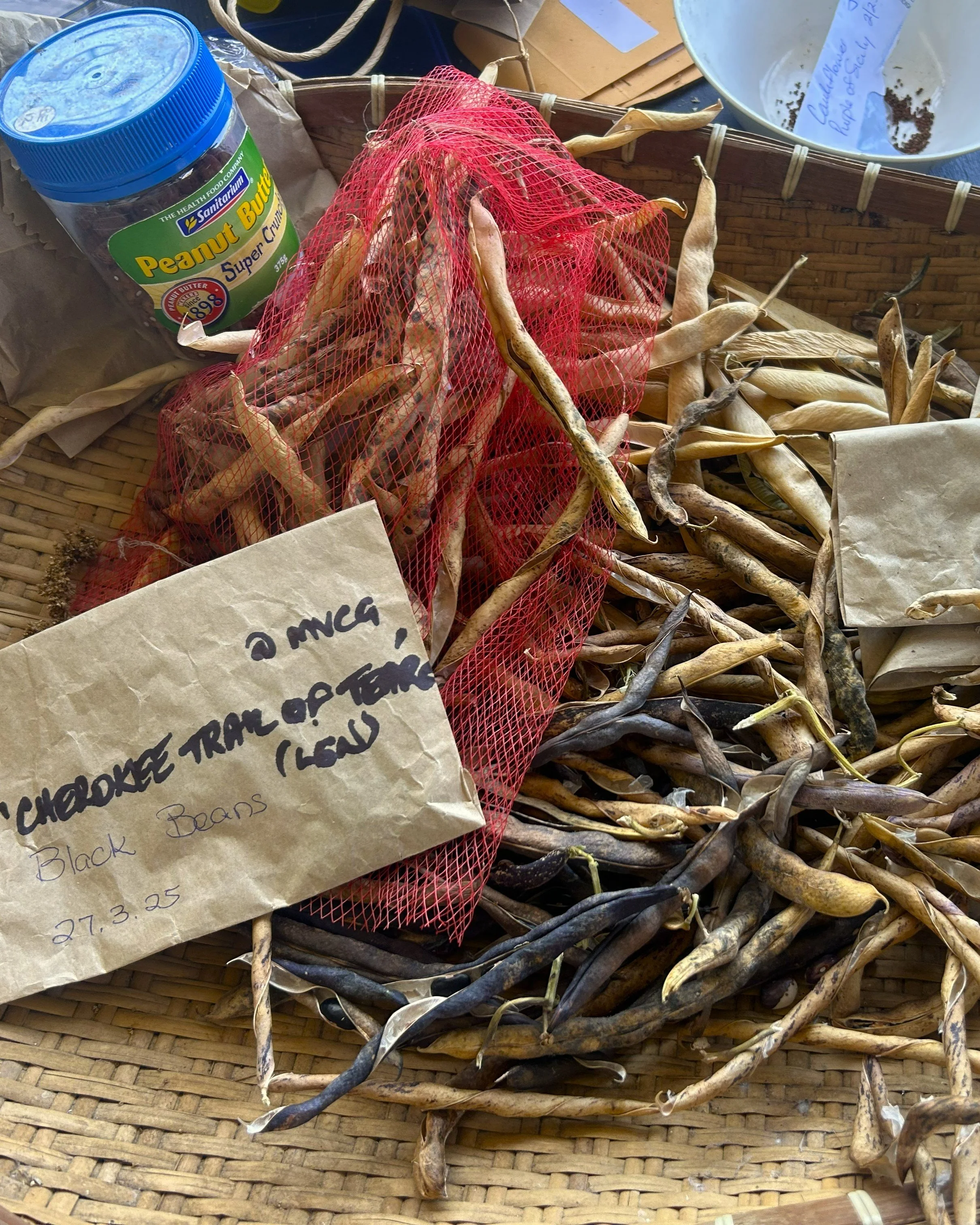
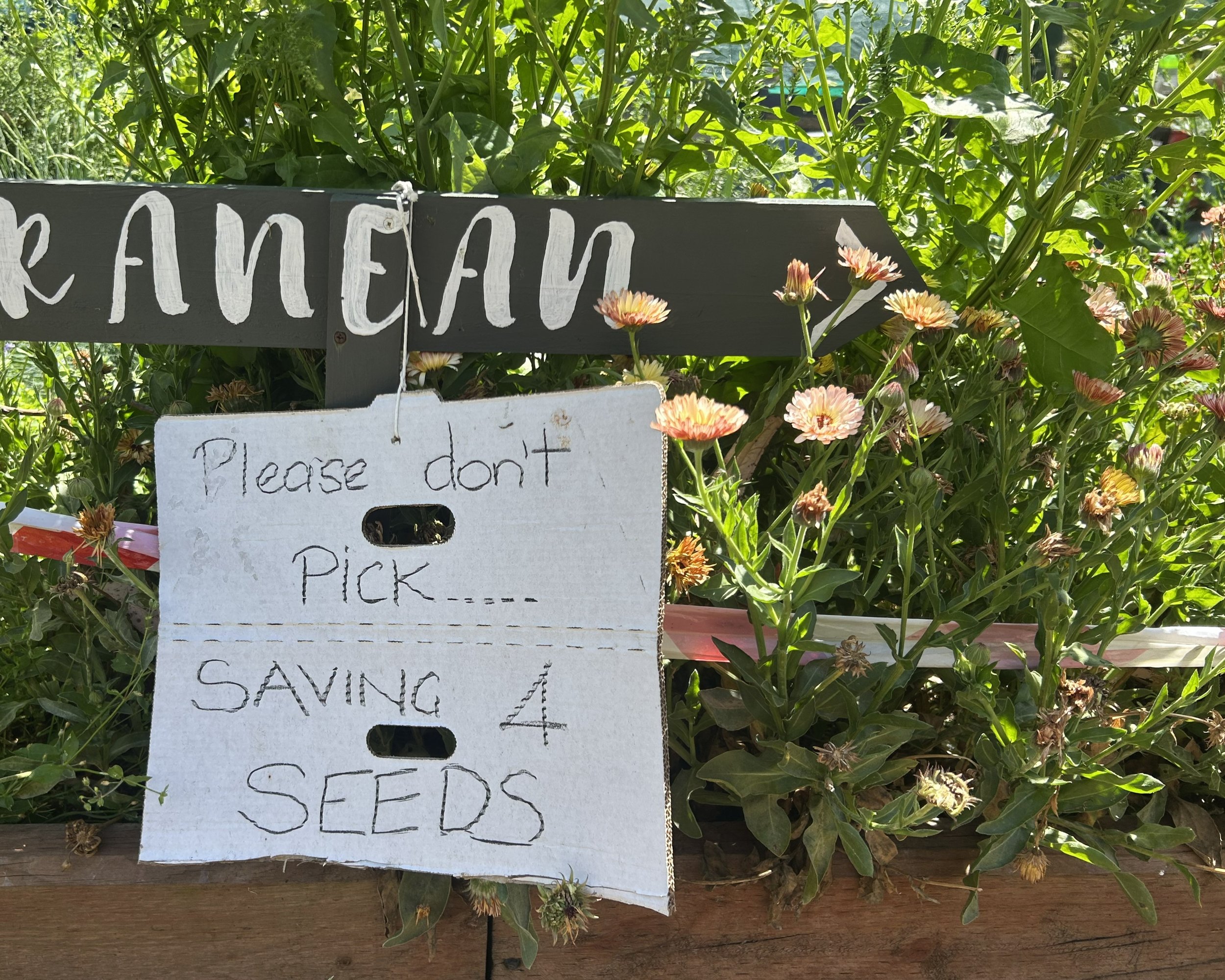
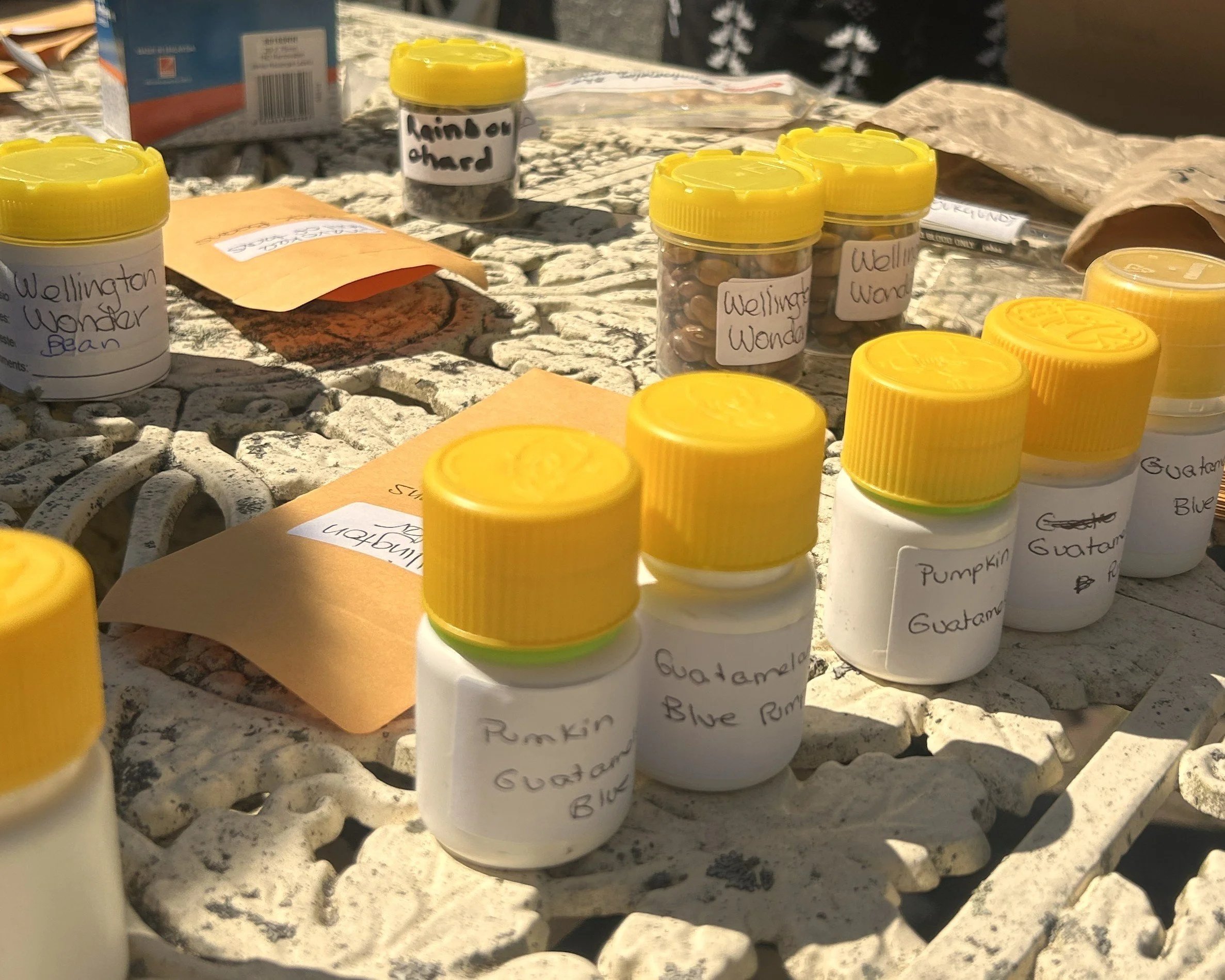
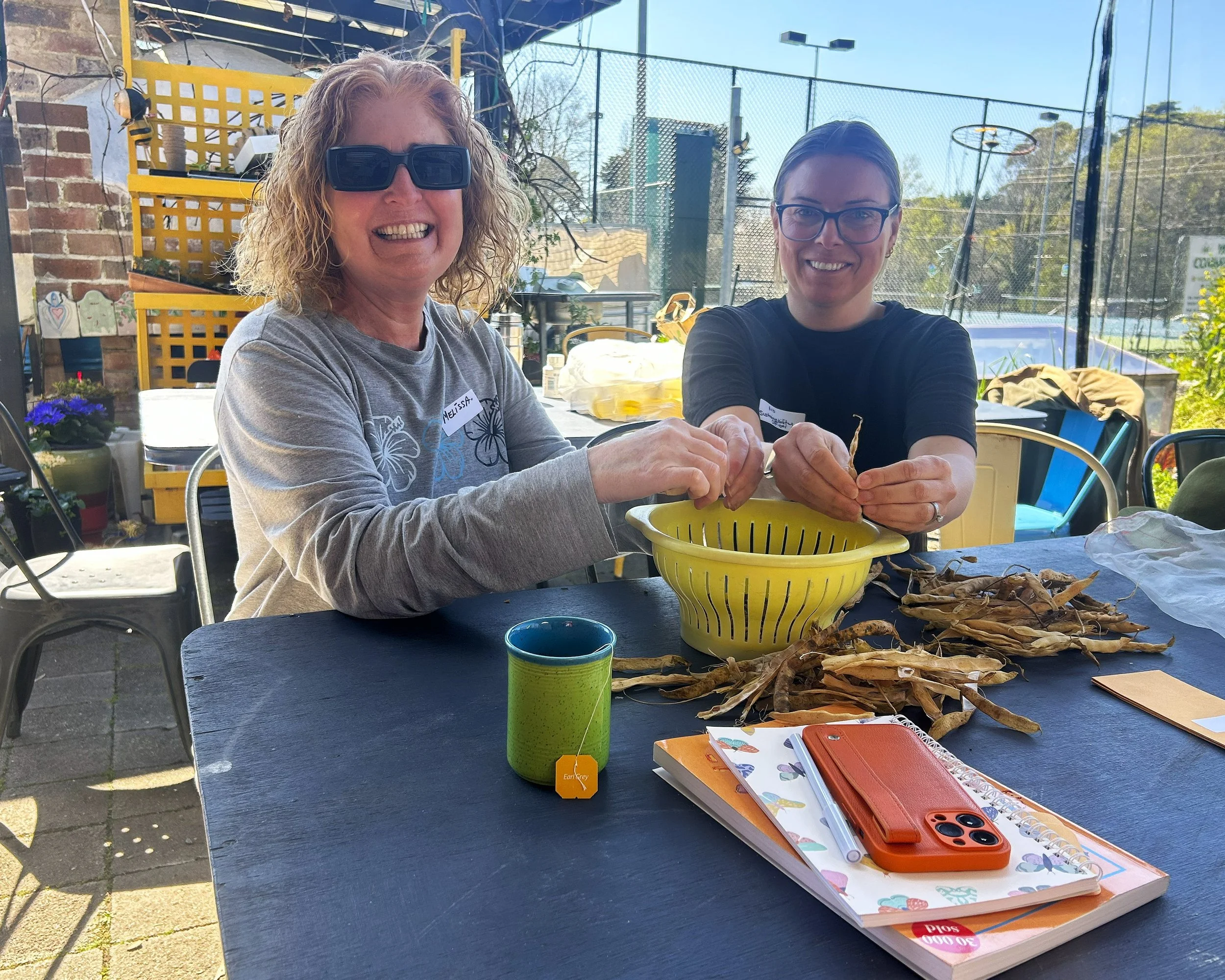
Moss Vale Community Garden (MVCG) grows and collects a range of heirloom seeds. We grow most of our vegetables, herbs and flowers from seed each season. We select varieties that are known to do well in the cold-climate environment typical of the Southern Highlands and varieties that we know taste good. Raising from seed brings us great joy — and opens up a far wider range of varieties than any nursery or garden centre can offer.
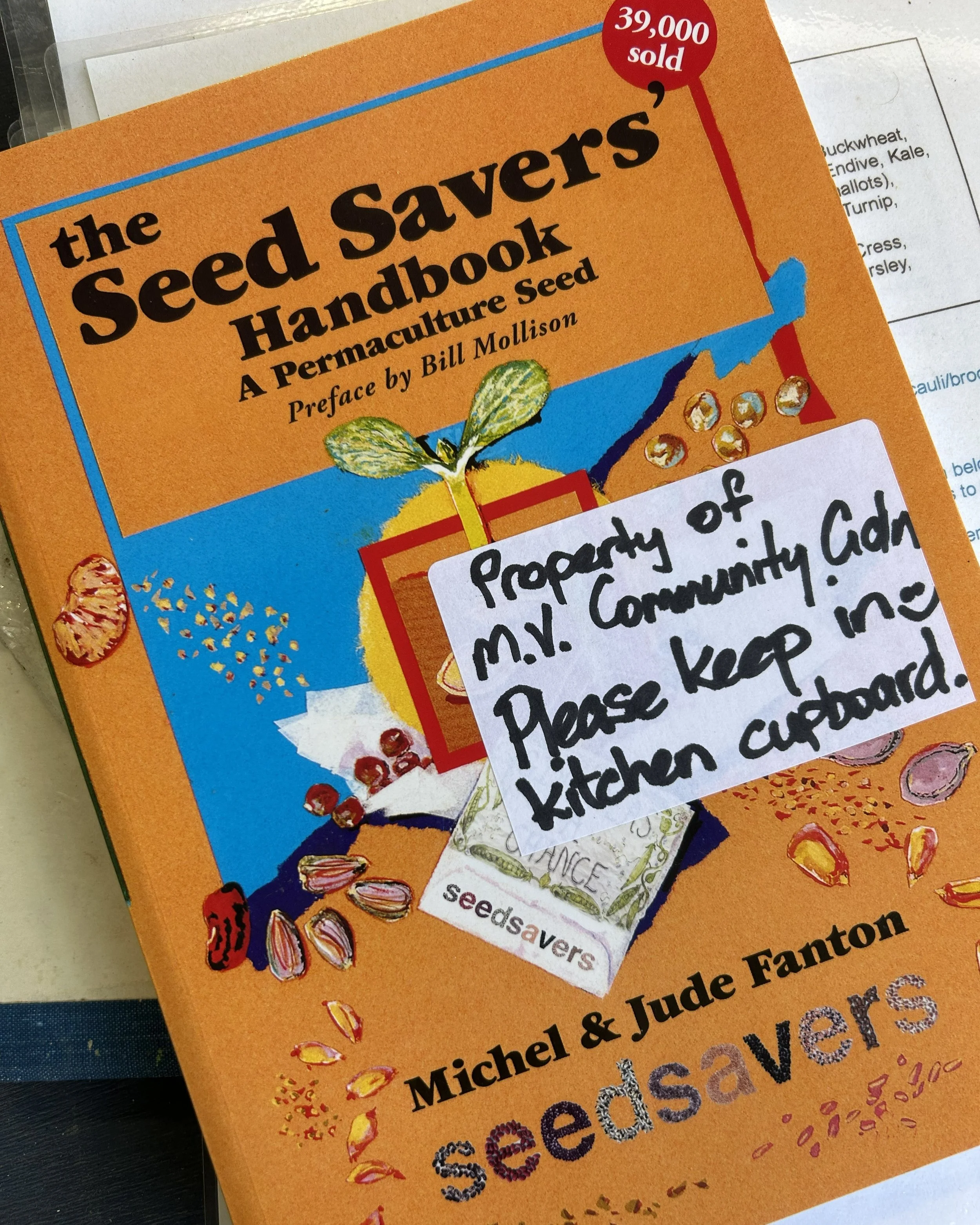
We draw on advice from Michael and Jude Fanton via The Seed Savers’ Handbook, as well as the knowledge shared by experienced Southern Highland’s gardeners at our seed swap events. These events bring the community together, enabling the exchange of open-pollinated seeds and promotion of biodiversity. Check our events page for details on upcoming seed swaps.
Saving Tomato Seeds
Warning: saving tomato seed may turn into an obsession!
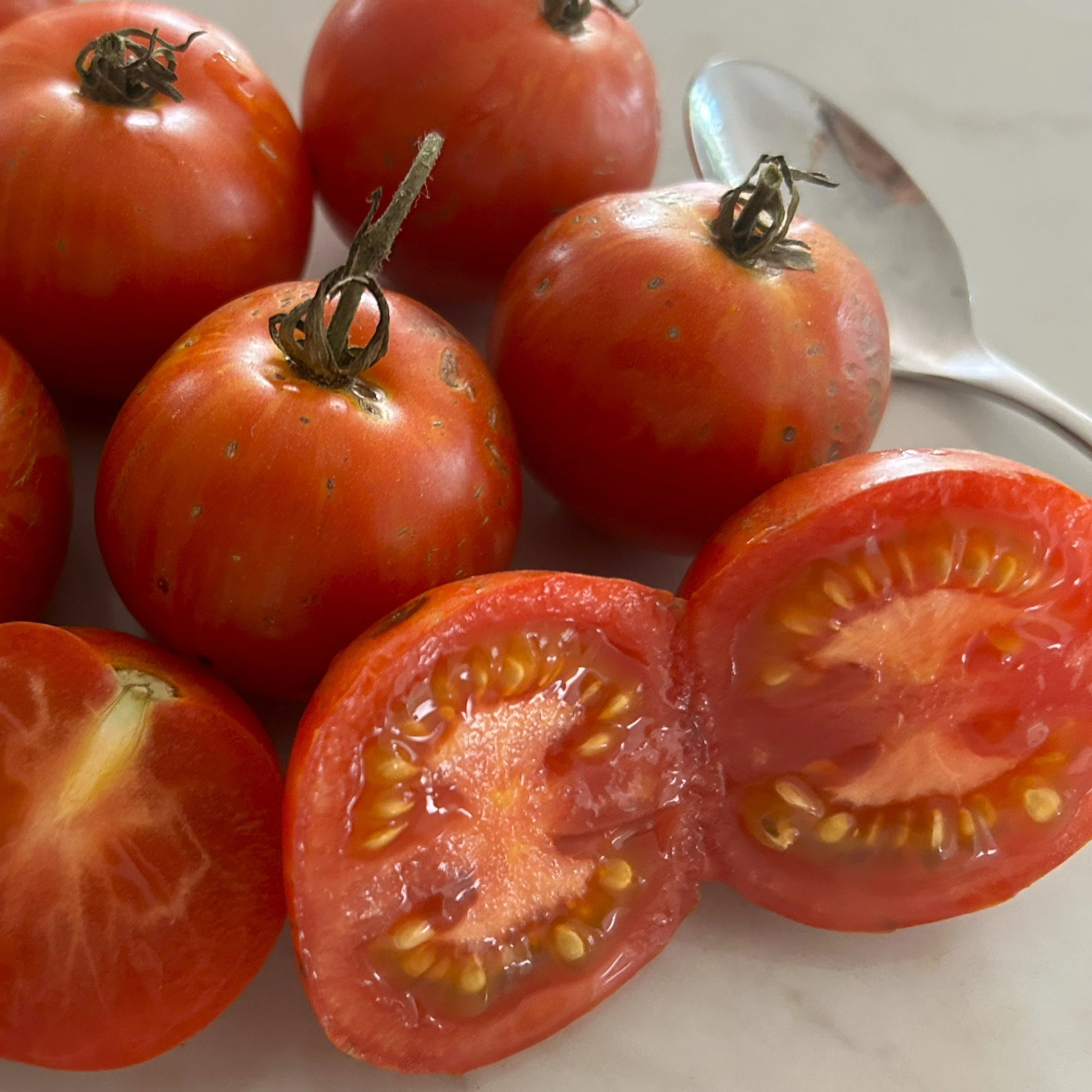
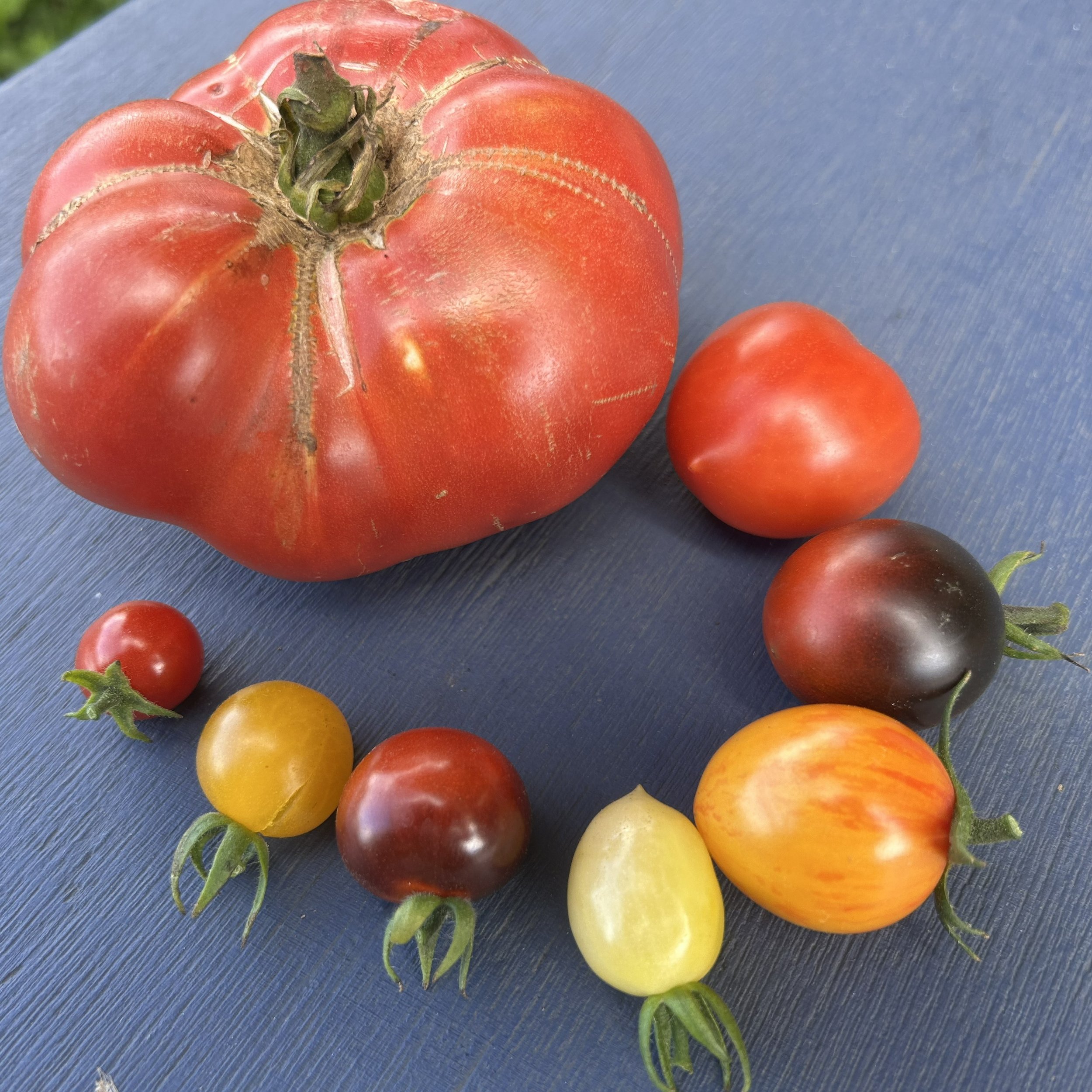
There are said to be over 10,000 tomato varieties and tomato lovers will search high and low for the ultimate taste sensation. Saving tomato seed is easy. Tomatoes are self-pollinating, so seeds saved will generally produce the same fruit next season. Here's how we do it:
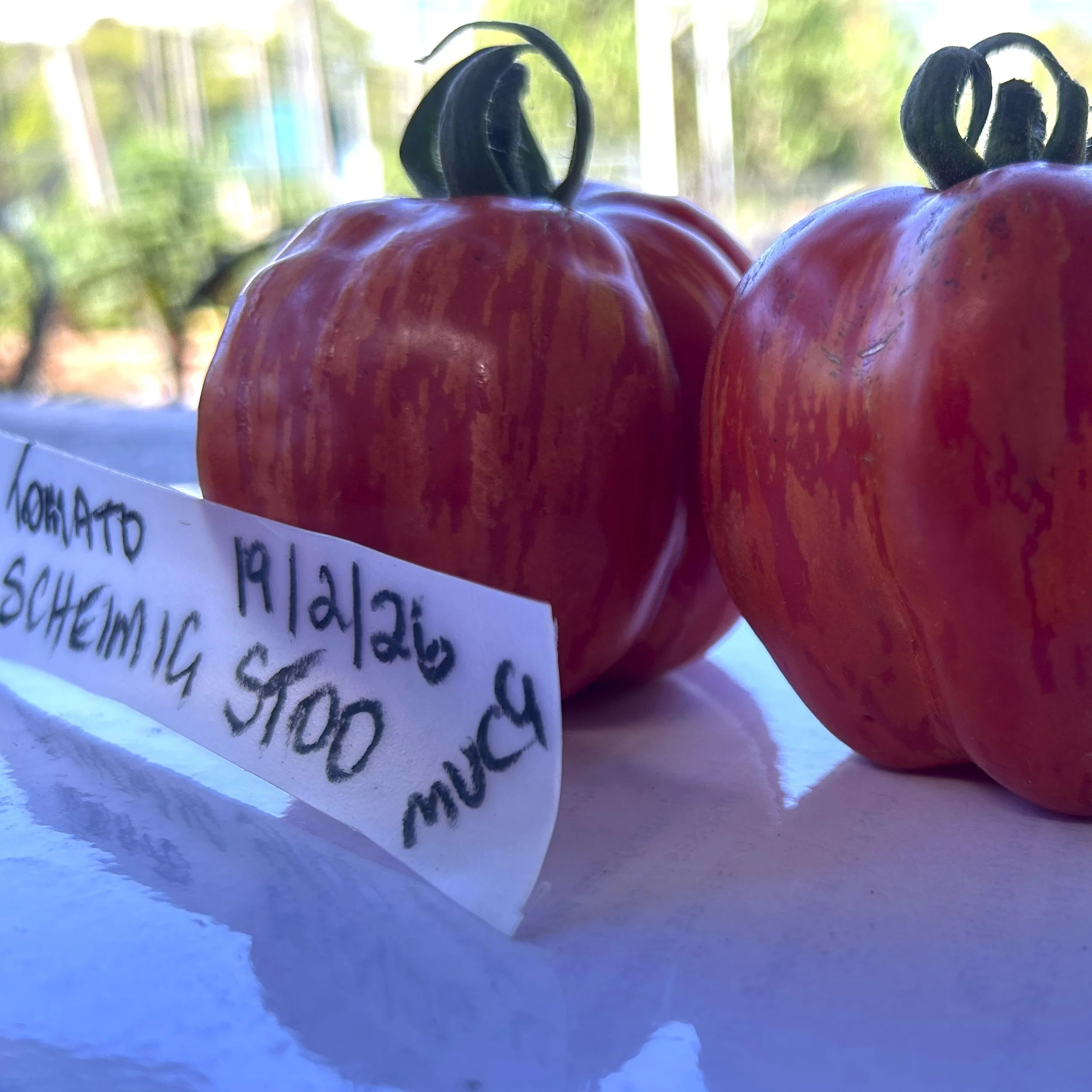
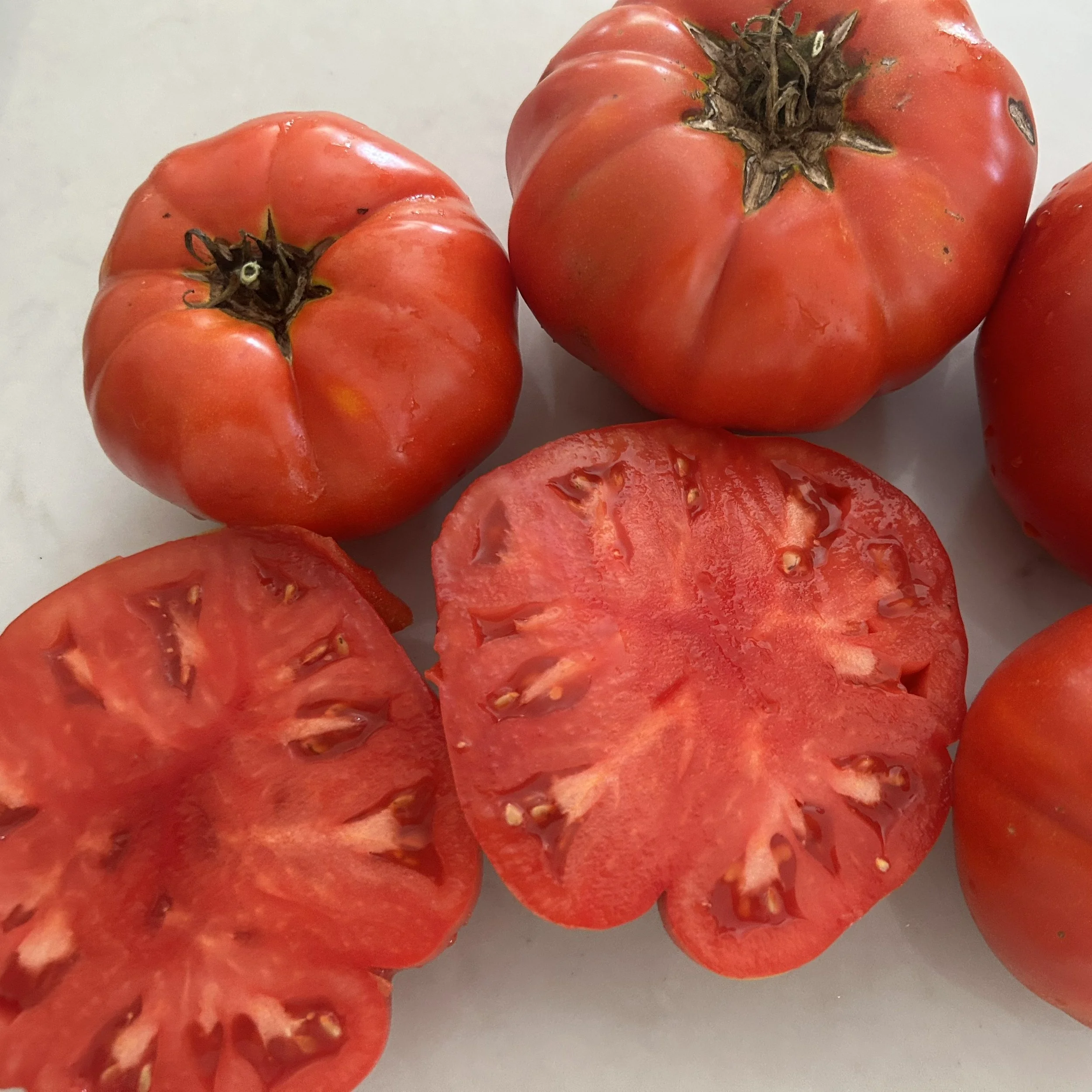
Select early-ripening tomatoes from several plants — this encourages early fruiting and preserves genetic diversity.
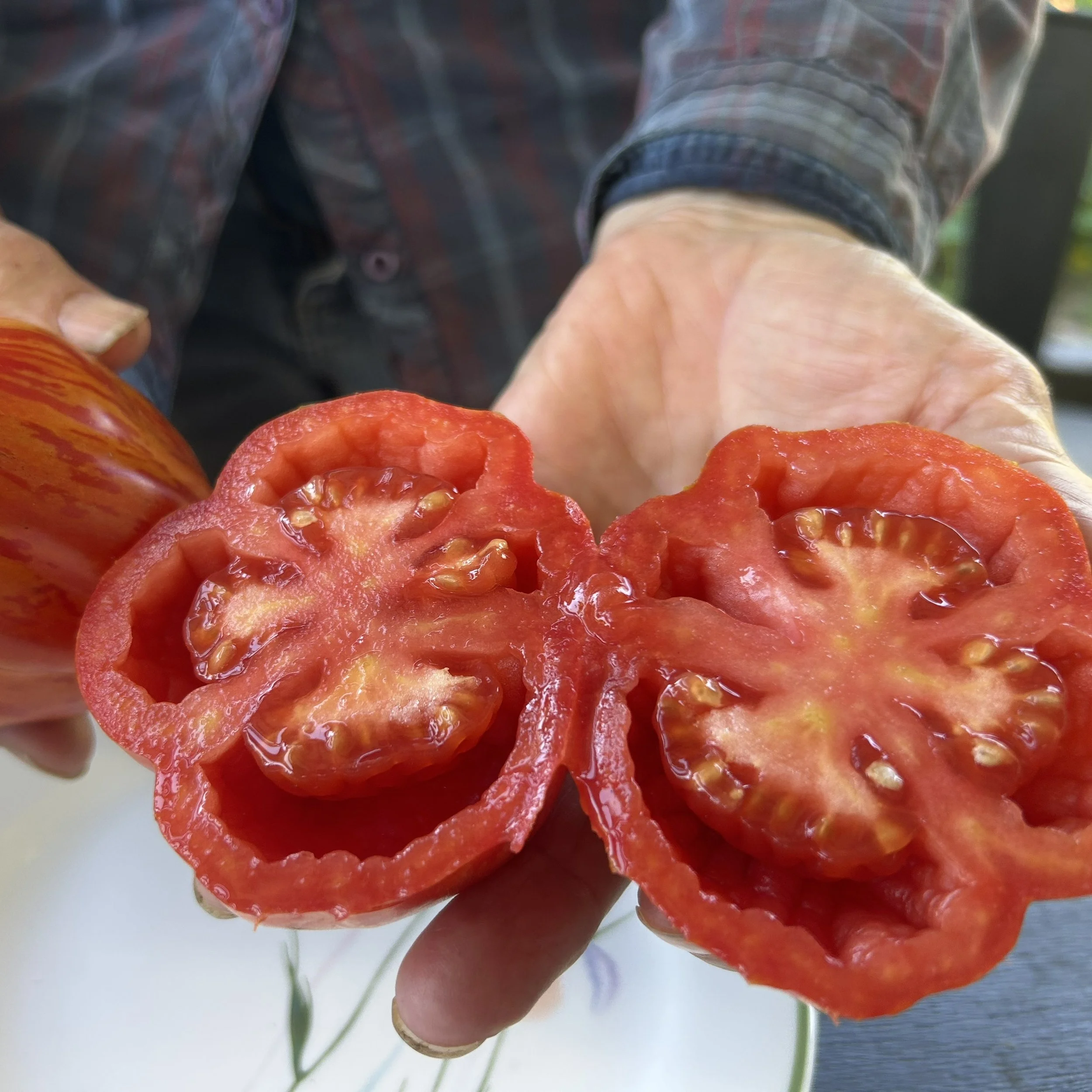
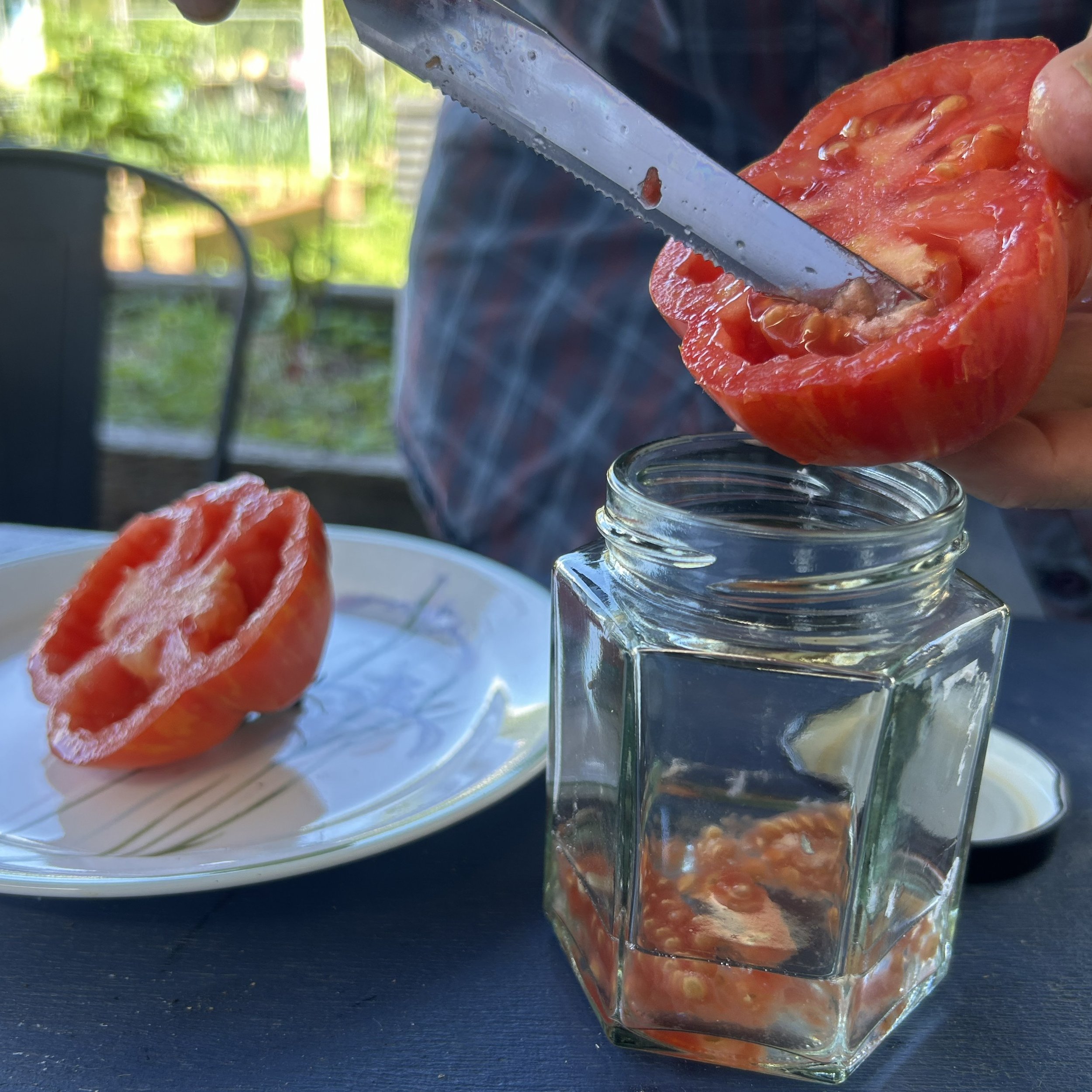
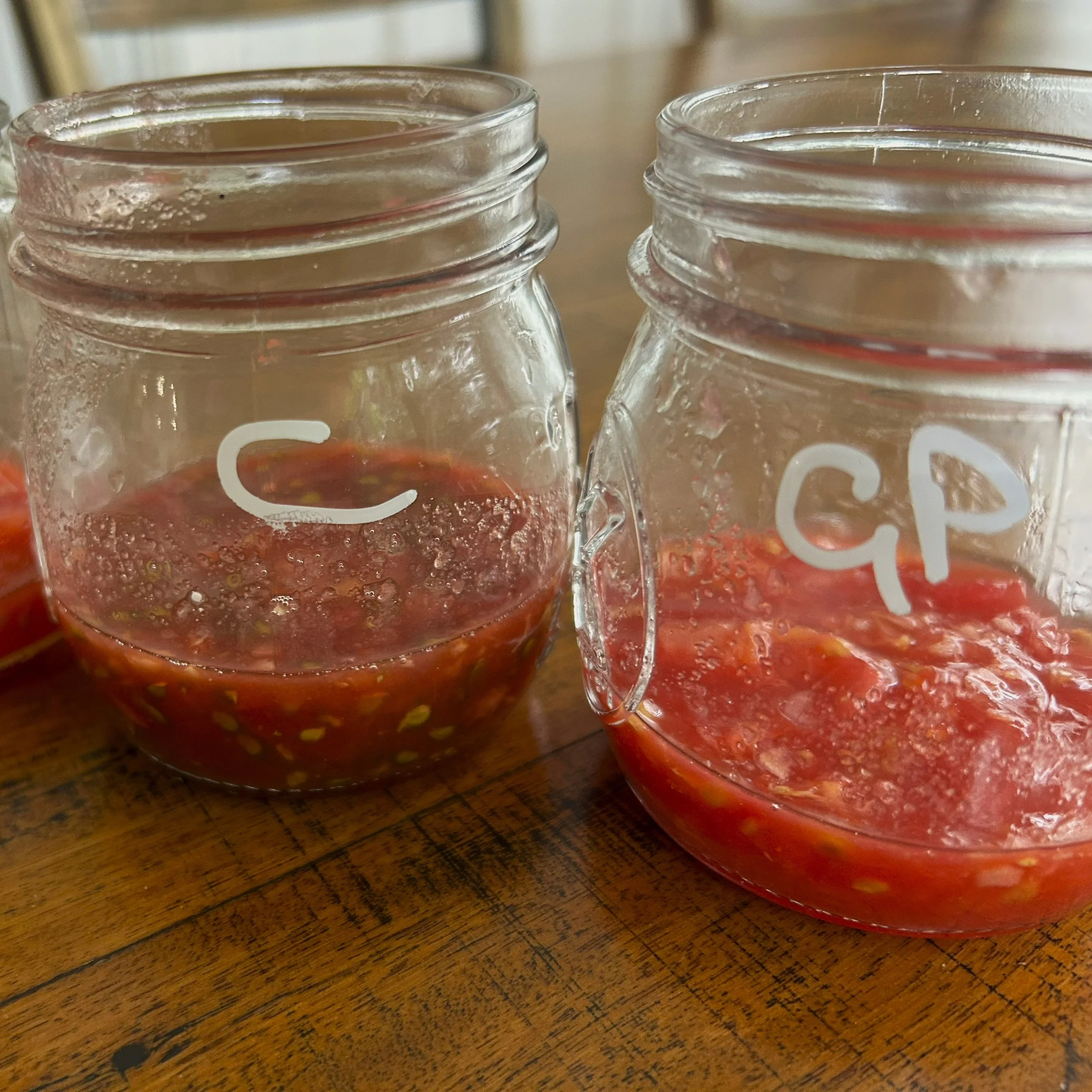
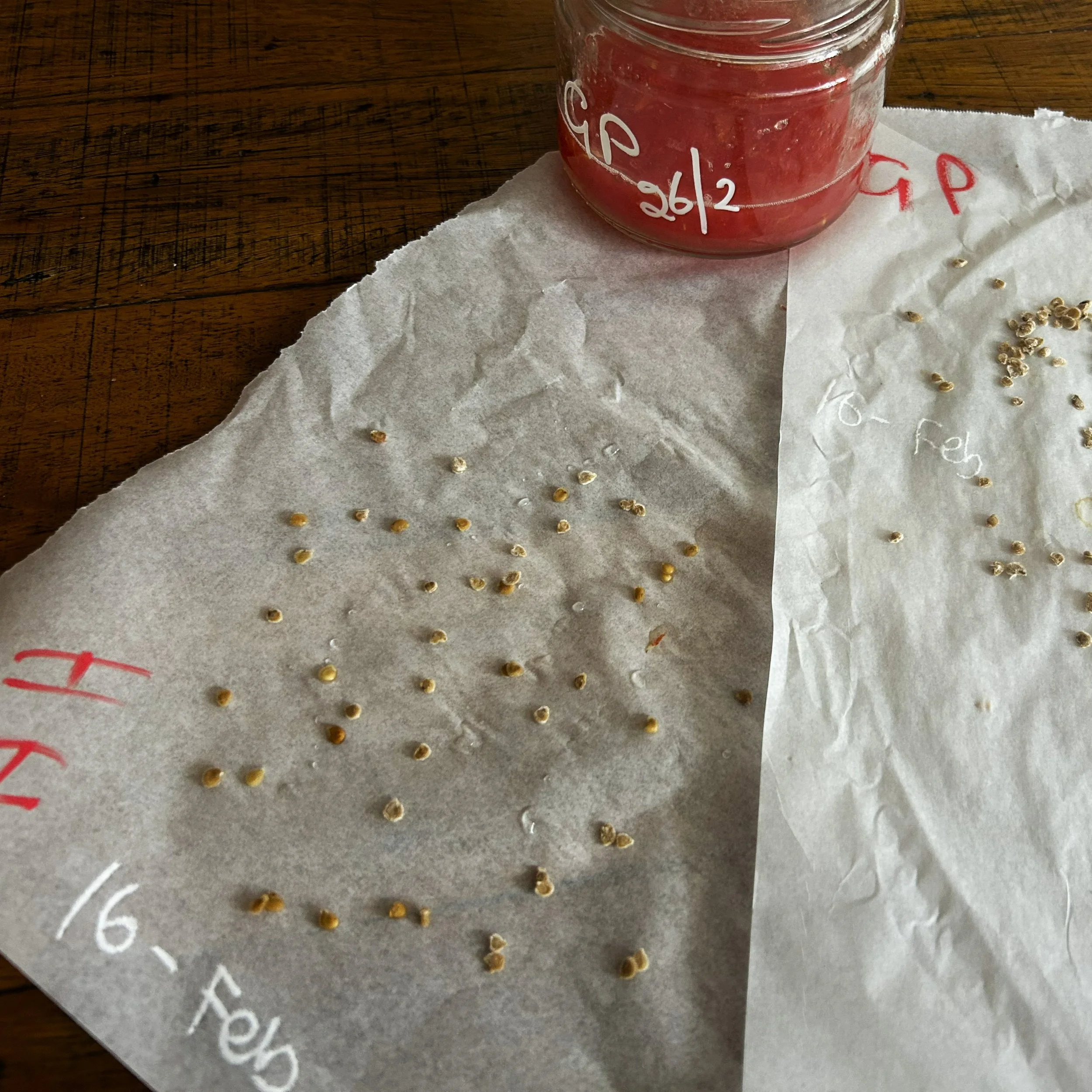
Cut open the fruit, scoop seeds into a labelled jar with a little water, and leave the lid off to ferment for 2–3 days. This breaks down the gel coating that can inhibit germination.
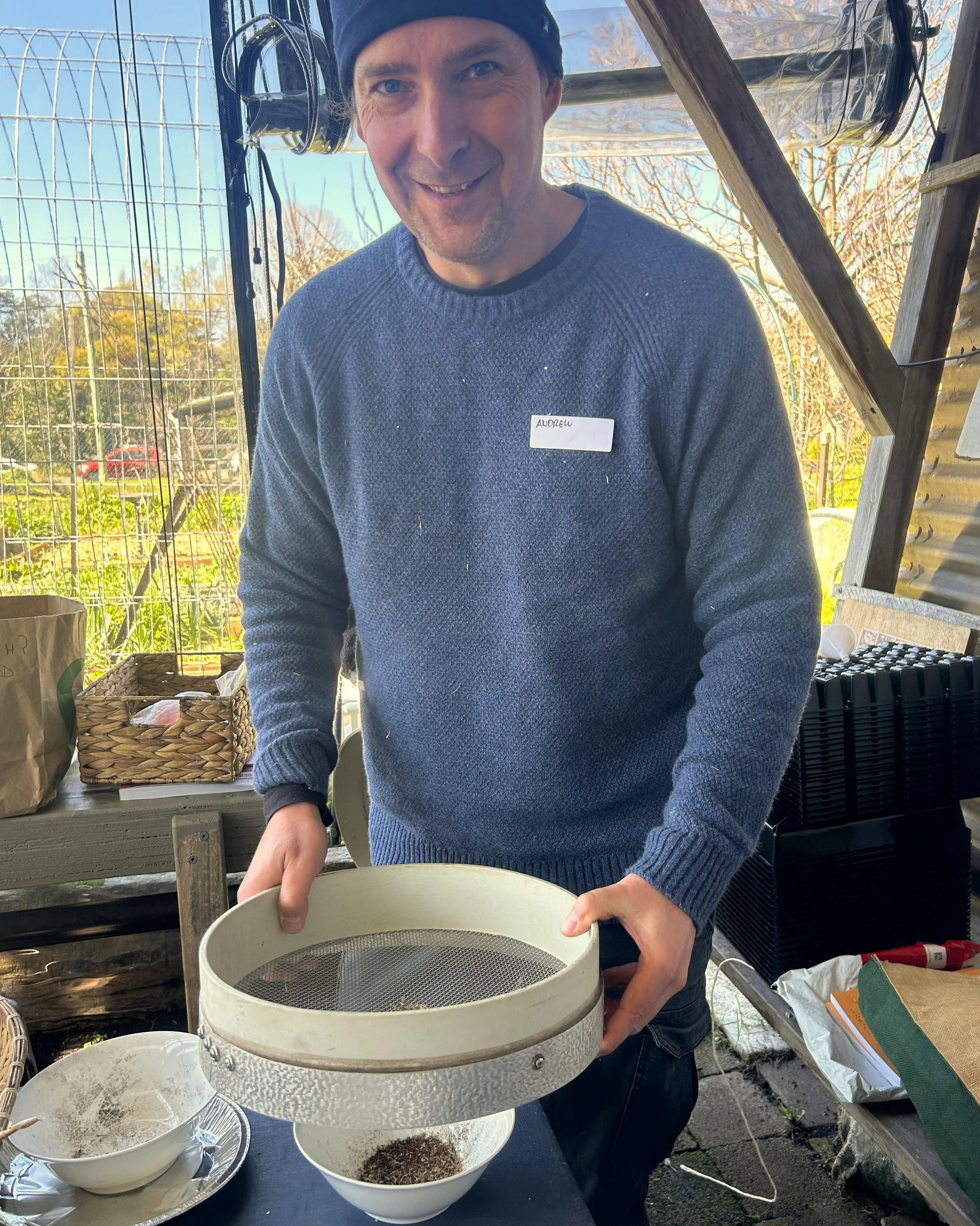
Once you see foam on top, pour the contents through a fine sieve and rinse the seeds well under running water until clean.
Spread seeds on baking or wax paper in a single layer and allow to fully dry.
As recommended in The Seed Savers Handbook — place in a labelled envelope and hang to dry for a further two weeks.
All the very best with your seed saving endeavours.